
TRAINING & CERTIFICATION
Hardware Roots of Trust, Remote Attestation and Trusted Execution
Two intensive days, 16 hours, aligned with the Oxford course
or email [email protected] · Download the flyer (PDF)
TPM 2.0 · SRTM/DRTM · Measured boot · Remote attestation · Sealing · TEE · SGX/TDX · TrustZone · Confidential VMs · TCB minimisation · Security by design
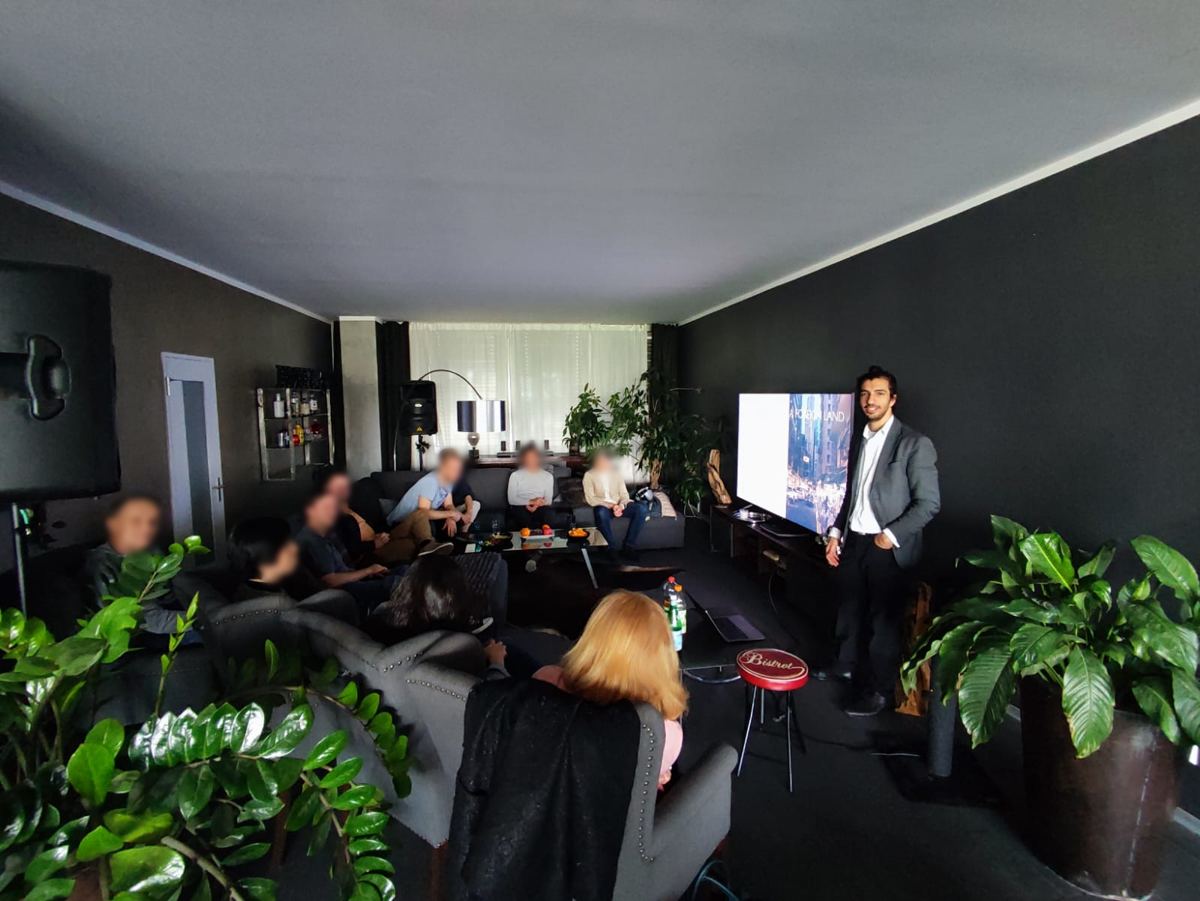
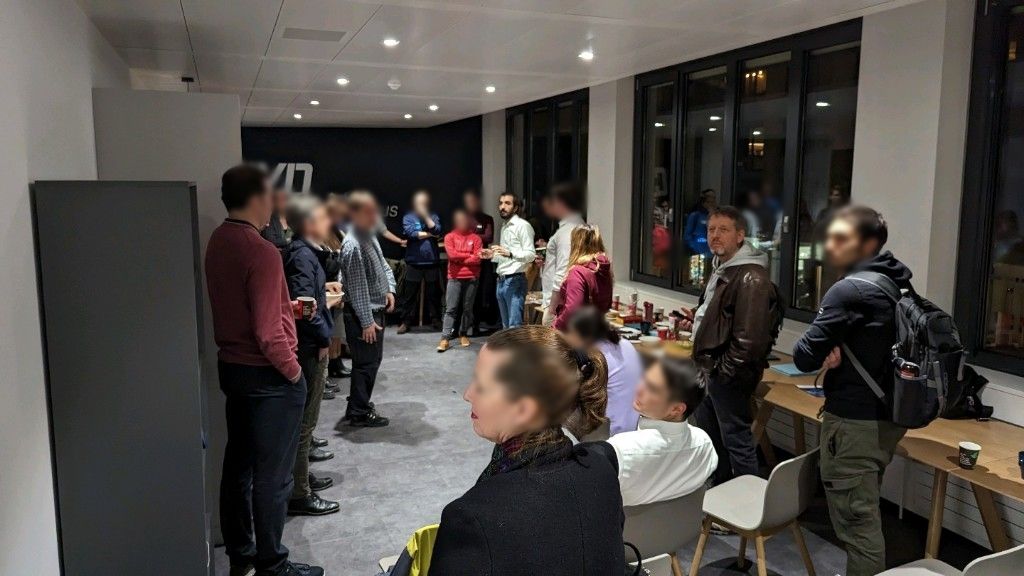
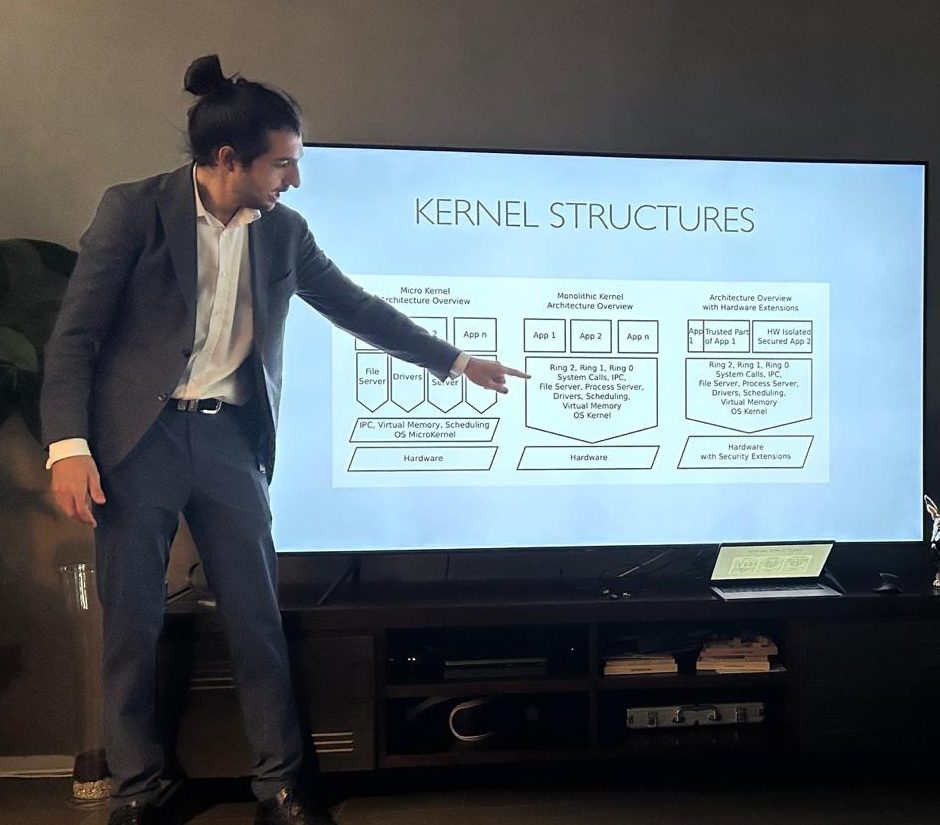
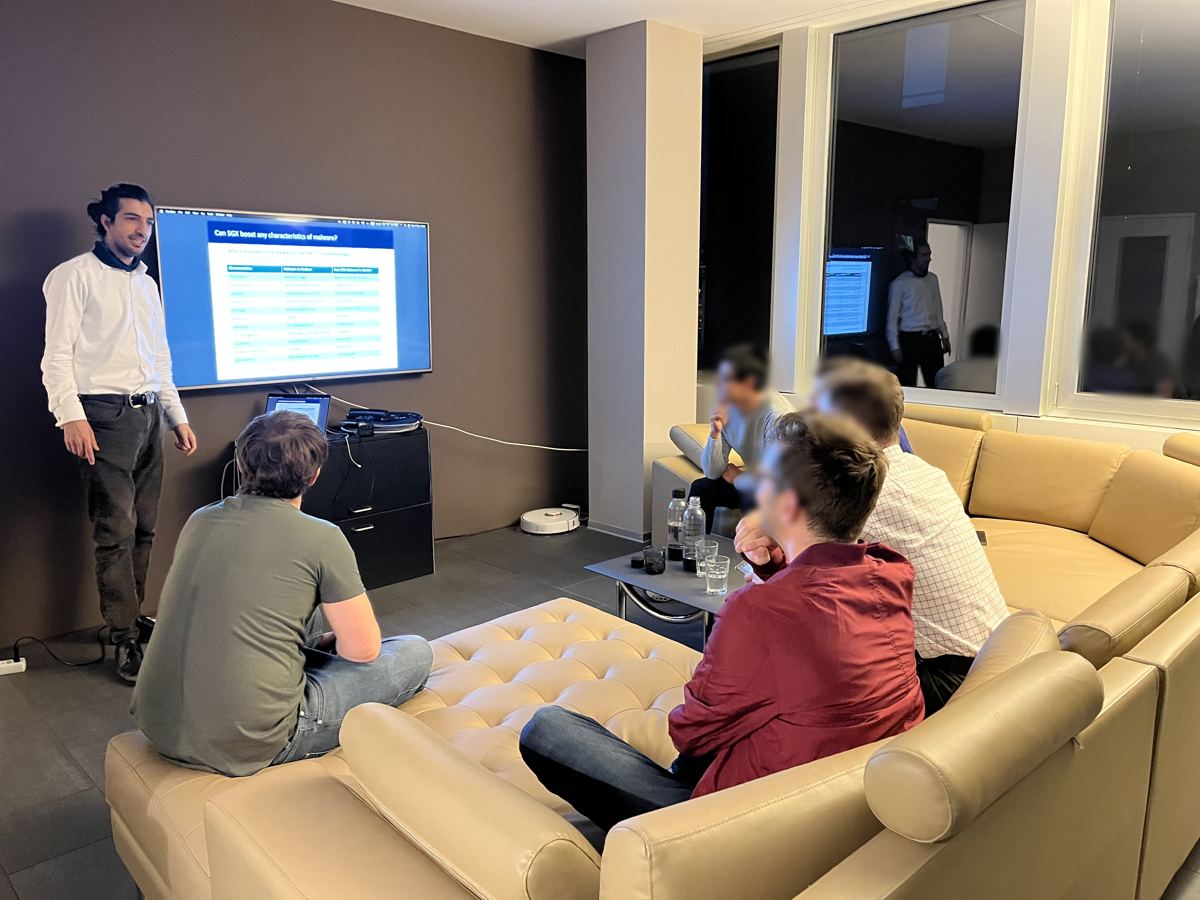

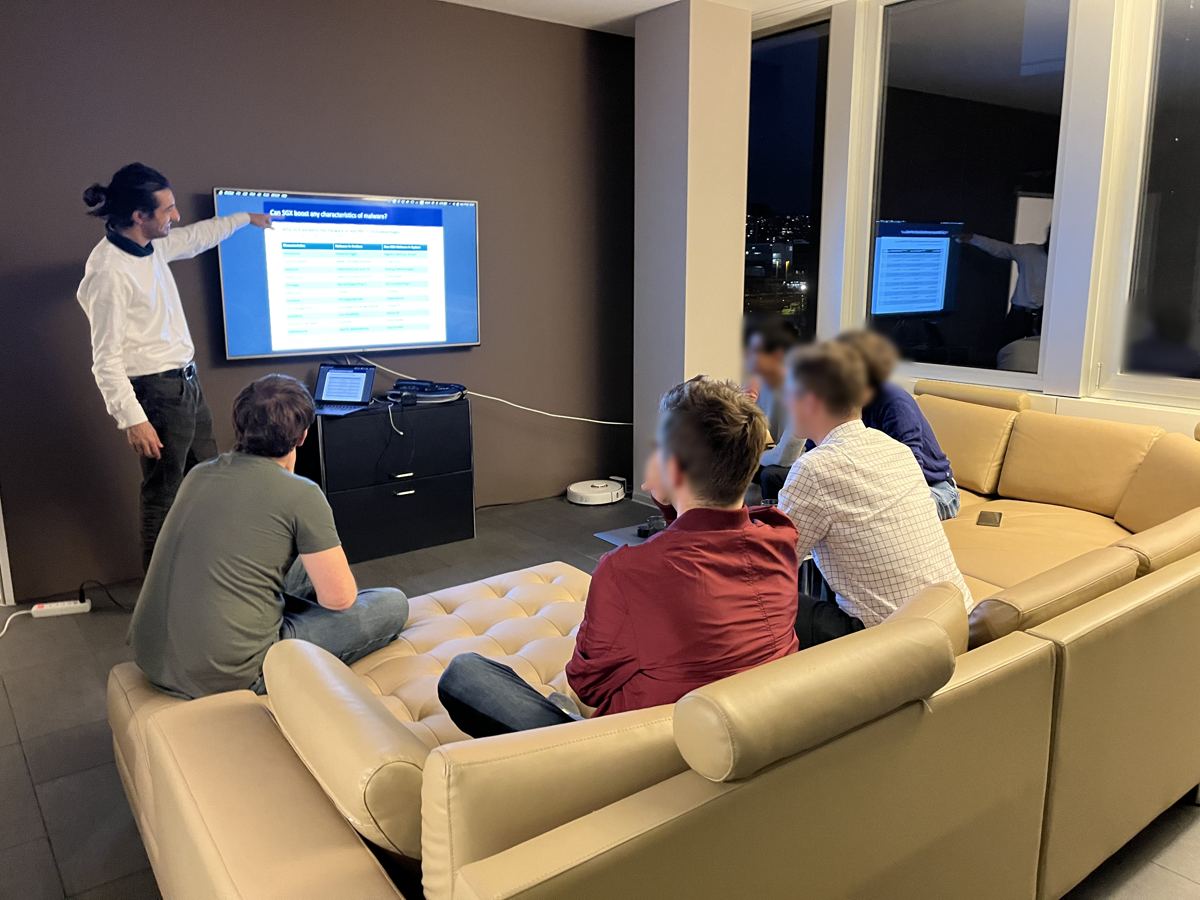
Informal evening talks on trusted execution environments, remote attestation and confidential computing.
Why this training
Build the skills to design, evaluate and ship systems that run on trusted hardware
Every modern platform ships a root of trust: a TPM, a CPU enclave, a secure monitor, a confidential virtual machine. Few engineers can say what those components actually guarantee, how to prove a remote machine is in a known state, and where the trust chain breaks.
This course closes that gap. It is aligned with the Trusted Computing Infrastructures curriculum taught at the University of Oxford, condensed into two intensive days for practitioners, with worked examples from real platforms instead of vendor marketing.
- Taught by the author of the paradigmDr Küçük defined Confidential Remote Computing in his Oxford doctoral research, funded by Intel Corporation, and has taught trusted computing at Oxford.
- Platform-level depthWhat the hardware does, instruction by instruction, from the first fetch after reset to a verified remote attestation. No slideware abstractions.
- Immediately applicableSecurity by design in practice: threat models, trust-chain diagrams, TCB minimisation and a practical guide to zero trust, for your next architecture review, product requirement or audit.
- Interactive and certifiedWorked examples and open discussion in a group of at most six, with a Certificate of Completion for every participant.
- 2 intensive days
- 09:00–17:00, 16 hours
- Max. 6
- participants per course
- In person
- in Zürich or at your premises
- Certificate
- with individual credential ID
Course programme
One course, two full days (09:00–17:00, 16 hours), aligned with the thirteen lectures of the Oxford course.
Foundations of Trusted Computing
Trust basics and definitions, chains and roots of trust, the trusted platform (elements, threats, use cases), TPM 2.0 (keys, seeds, sealing, binding, authorisation policies), static and dynamic roots of trust for measurement (SRTM, DRTM, Intel TXT), trusted, measured and verified boot, measurement logs and PCRs, local and remote attestation, attestation identity keys and privacy, provisioning.
Trusted Execution and Confidential Computing
Trusted execution environments as reference monitors and TCB minimisation, hardware isolation and rings, malware and rootkit resistance, Intel SGX enclaves (memory protection, keys, attestation, TCB recovery, Boot Guard), Arm TrustZone, virtualisation and guest attestation, a brief look at confidential virtual machines (Intel TDX, AMD SEV-SNP, Arm CCA), device ownership, integrity measurement, applications (disk encryption), and the language of trust: what an attestation can and cannot tell you.
Flyer
Take the course details with you
Two pages: why this training, the programme, your instructor and the course details. Easy to share with your team or your manager.


Content focus
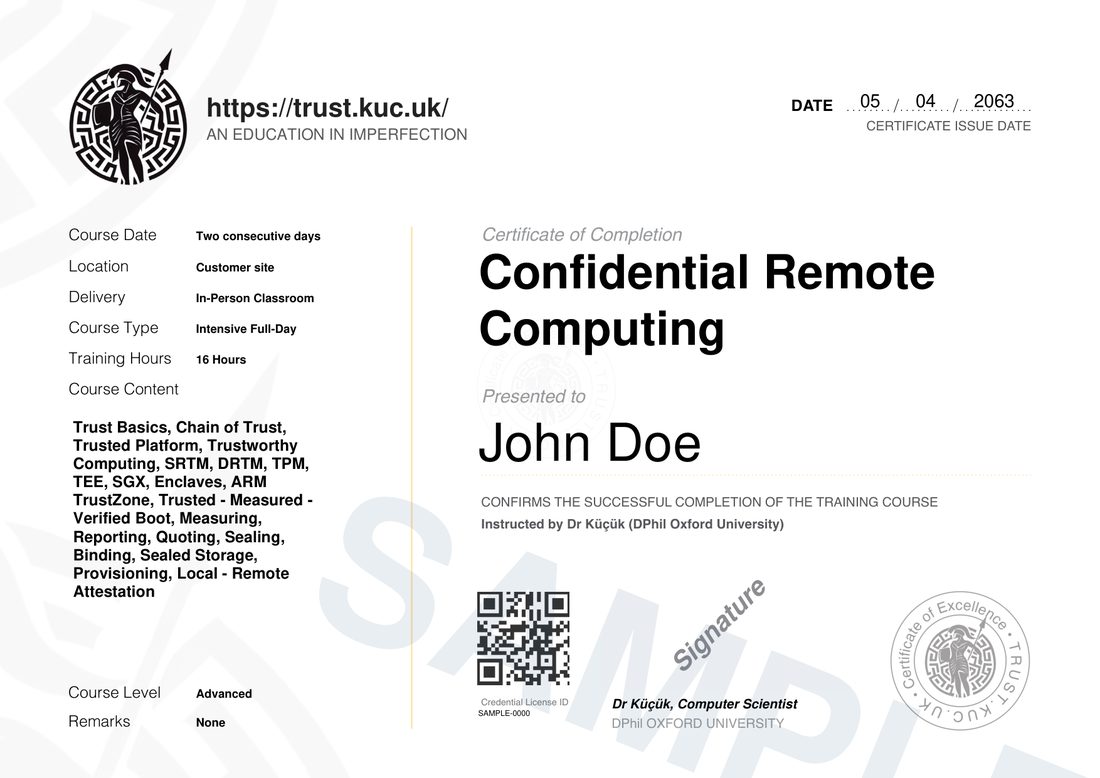
As printed on the certificate, the course covers:
- Trust basics, chain of trust, roots of trust
- Trusted platform and trustworthy computing
- SRTM, DRTM, Intel TXT
- TPM 2.0: measuring, reporting, quoting
- Sealing, binding, sealed storage
- Trusted, measured and verified boot
- Local and remote attestation
- Provisioning and device identity
- TEE, SGX enclaves, Arm TrustZone
- Confidential VMs: TDX, SEV-SNP, CCA
Who is this training for?
Engineers and decision-makers who build on, buy or audit trusted hardware:
- Security and platform architects
- Firmware and embedded engineers
- Cloud, virtualisation and kernel engineers
- Product security and PSIRT teams
- Confidential AI and data-platform teams
- Security consultants and auditors
- CISOs, CTOs and technical product owners
Prerequisites: working knowledge of operating systems and computer architecture. No prior trusted-computing experience required.

Your instructor
Dr Küçük holds a DPhil in Computer Science from the University of Oxford and has taught at Oxford, including Trusted Computing Infrastructures. Received PhD funding from Intel Corporation for SGX/TEE research.
He defined the Confidential Remote Computing paradigm in his Oxford doctoral research and released it openly for anyone to build on: doi:10.5287/ora-2rovaxbjd.
Software engineer and security architect. Completed two Innosuisse projects at ETH Zürich, where he was previously affiliated with ETH D-INFK and ETH D-MAVT.
Published researcher and speaker at Black Hat Europe and DEF CON; adviser to industry on trusted hardware, attestation and confidential computing.
Course details
- Participants
- Max. 6 per course
- Duration
- 2 intensive days, 09:00–17:00
- Language
- English
- Level
- Advanced
- Location
- In person, in Zürich or at your premises
- Certificate
- Certificate of Completion with an individual credential ID, per participant
- Consulting
- For certified participants: commercial products, architecture, and formal verification of products and protocols
Contact
Bring trusted computing and confidential computing into your team now and apply it in your next product.